Robotic urology procedures offer precise, minimally invasive treatment for many ...See More
Sep 17, 2026

Offering advanced care for kidney, prostate, and bladder conditions

A breakthrough non-surgical option for BPH and prostate cancer

Specialized in treating complex urological cancers with precision

Performed over 100 successful transplants with excellent outcomes
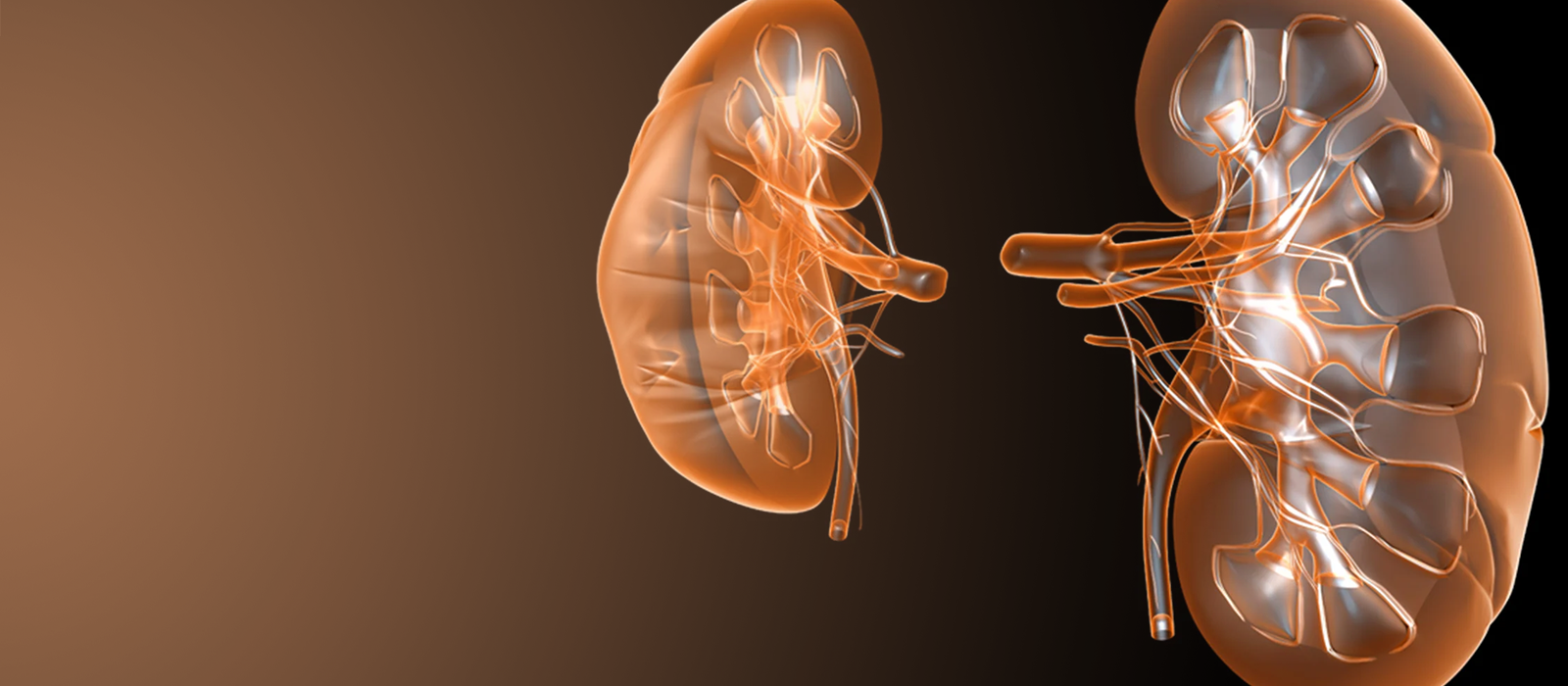
Minimally invasive procedures for quicker recovery and lasting relief
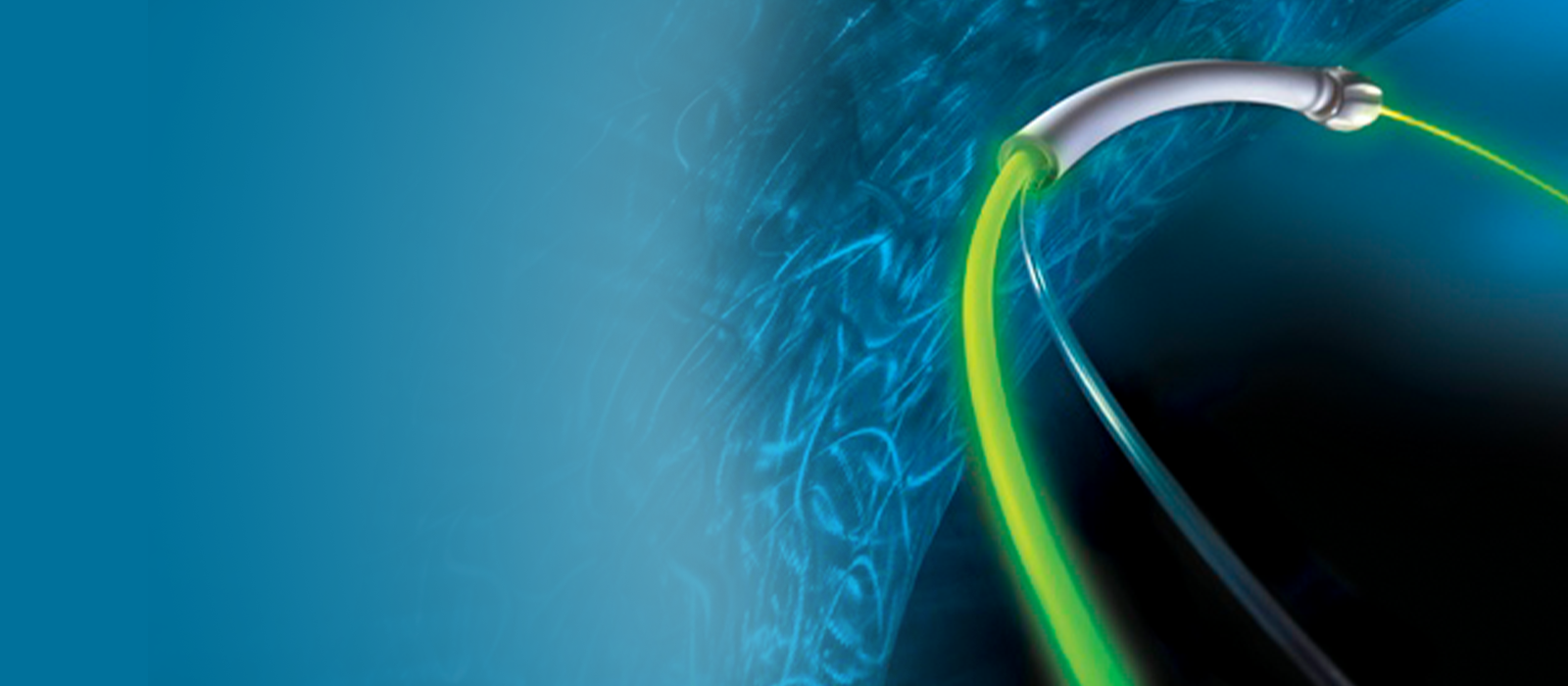
Personalized solutions for male fertility, ED, and urological concerns

.png)
.png)
.png)
.png)
.png)
.png)
About Us
Years of Experience
Robotic Surgeries
Stone Surgeries
Urology Cancer Surgeries







Comprehensive treatments for all urological conditions


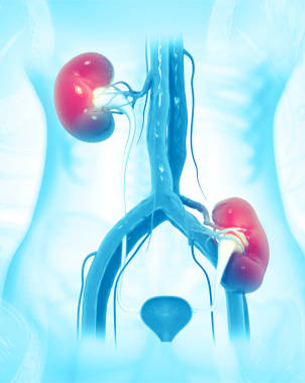
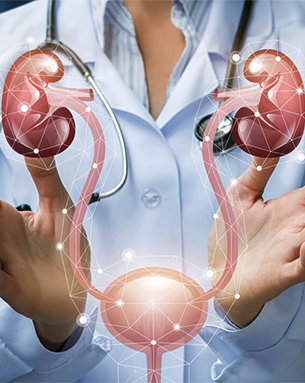
Stay informed with our latest updates, posts, announcements, and healthcare news
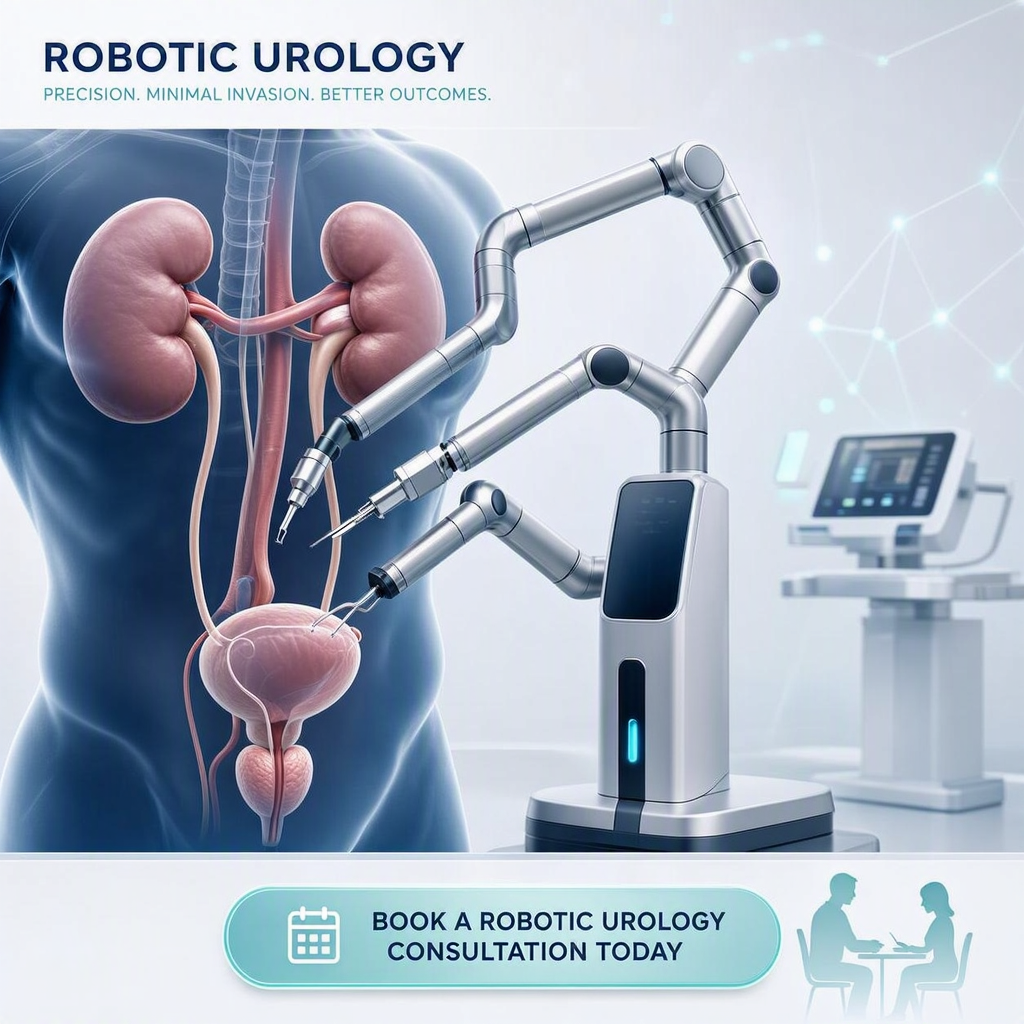
Robotic urology procedures offer precise, minimally invasive treatment for many ...See More
Sep 17, 2026
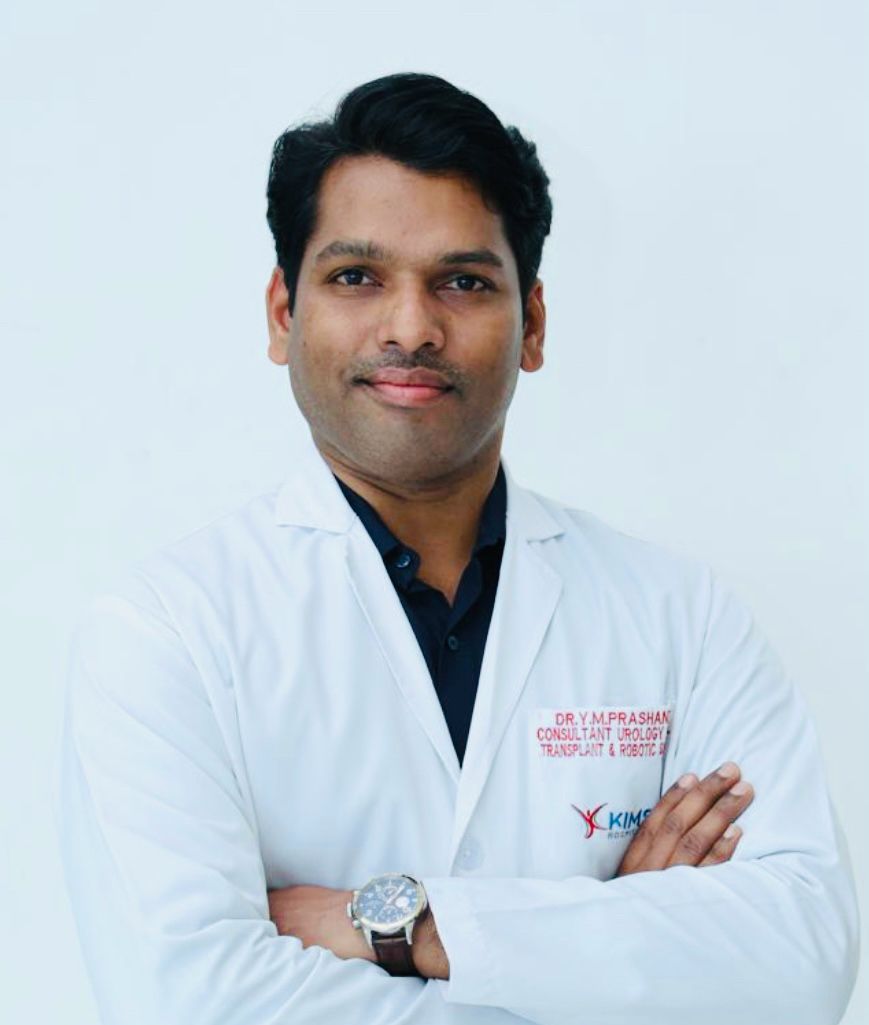
Urologist, Urology Oncologist and Robotics, Kidney Transplant Specialist
What our Patients says about us
In my experience at the Velachery clinic, the treatment was excellent. The staff was attentive, and all reports were delivered on time as promised. Truly reliable healthcare services

My visit to the Indirapuram clinic was very smooth. The management was excellent, and I appreciated their quick service—from scheduling appointments to providing care. A very professional team
I went to the Chanda Nagar clinic for treatment and was impressed by the supportive staff. They guided me with all necessary details, and I felt confident with their approach.
Need Answers? Find them here...
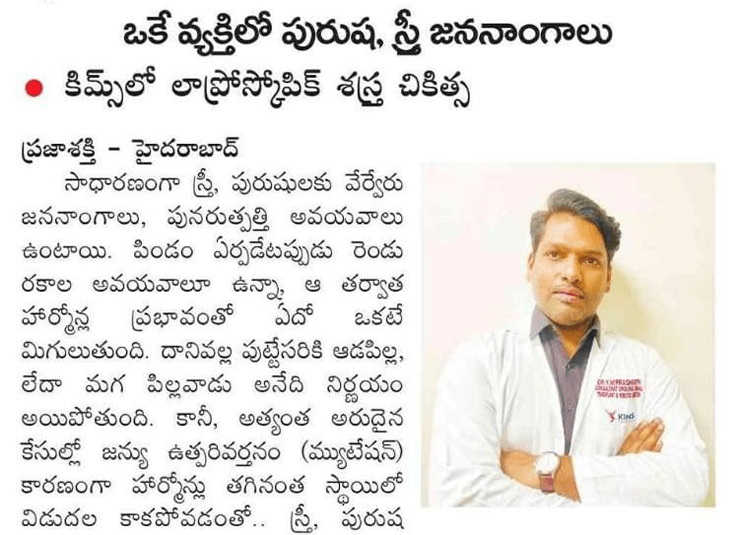
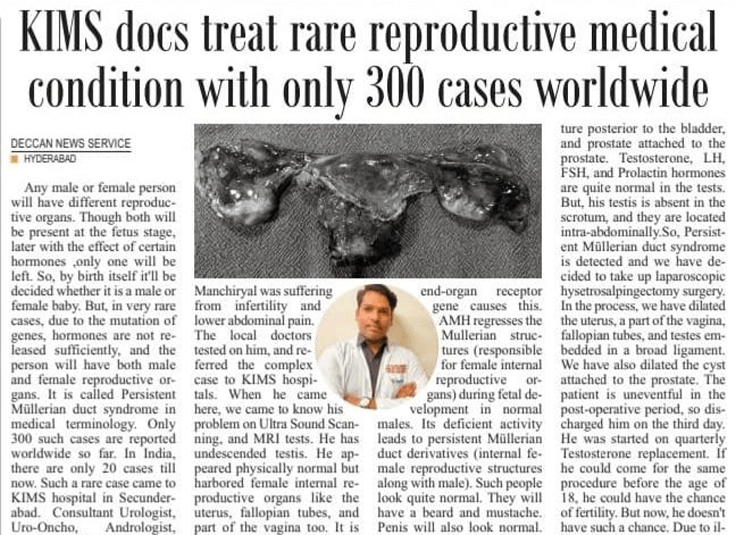
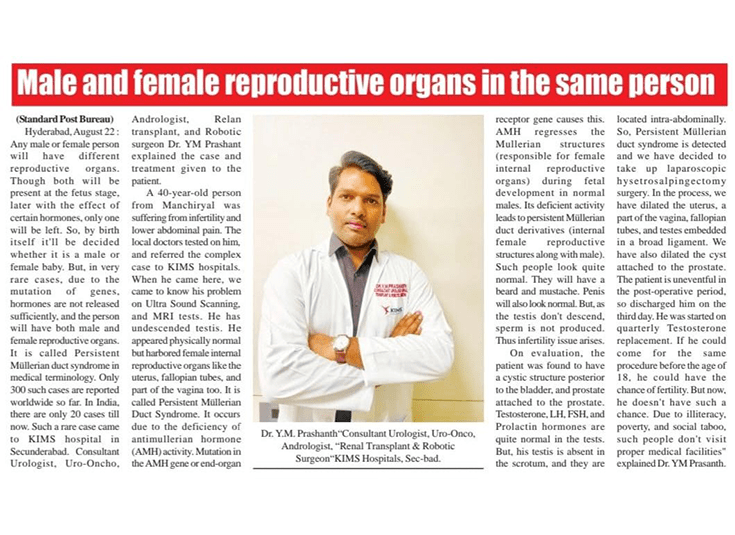
Dr. Y.M. Prashanth, a highly skilled Consultant Urologist, Uro-Oncologist, and Andrologist in Hyderabad, specializes in treating complex urological conditions such as urological cancers, including prostate, bladder, and kidney cancers. He is proficient in performing laser surgeries for prostate and kidney stones, addressing male infertility, and undertaking neuro-urology treatments. His expertise is supported by advanced training in laparoscopic and robotic surgery, as well as reconstructive urology.
Dr. Y.M. Prashanth has been recognized for his exceptional contributions to the field of urology. He is a recipient of the prestigious Achievers Award at DUSCON and the BOE–USI International Travel Fellowship (UK). In addition, Dr. Prashanth has actively participated in national and international conferences, sharing his insights through several peer-reviewed publications, which highlights his commitment to advancing urological practices and patient care.
Advanced minimally invasive laparoscopic and robotic urology offers numerous benefits, including reduced recovery times, smaller incisions, less pain, and minimal scarring. These techniques enhance precision during surgery, allowing for more effective treatment of urological conditions. Patients often resume normal activities faster compared to traditional open surgery methods, and the risk of complications is generally lower, improving overall outcomes.
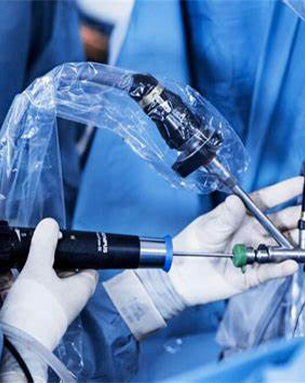
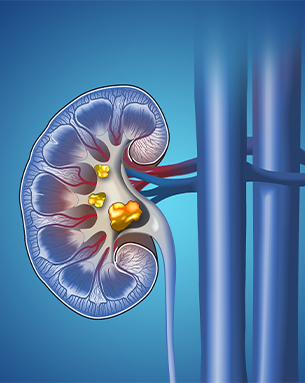
Laser kidney stone surgery, also known as laser lithotripsy, uses focused laser energy to break down kidney stones into smaller fragments, which can be easily passed or removed. It is suitable for patients with stones that are too large for natural passage or have caused complications. It’s a minimally invasive procedure performed using endoscopy, leading to quick recovery and minimal discomfort.
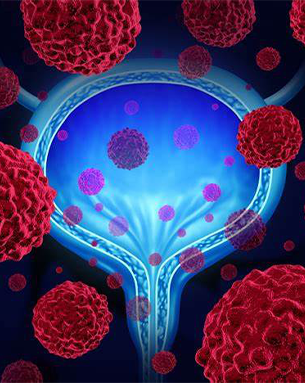
Urological cancers, including prostate, bladder, kidney, and testicular cancers, can be treated with advanced techniques like laparoscopic and robotic surgery. These methods enable precise tumor removal while preserving as much normal tissue as possible, which is vital for maintaining urinary and reproductive functions. They often lead to better postoperative outcomes, less blood loss, and quicker recovery compared to conventional surgeries.
Benign Prostatic Hyperplasia (BPH) is a non-cancerous enlargement of the prostate gland often seen in older men. It can cause urinary symptoms such as difficulty starting urination, weak stream, and frequent urination. Treatments include medications, minimally invasive procedures like Transurethral Resection of the Prostate (TURP), laser therapy, or advanced technologies like TULSA PRO for reducing prostate size and relieving symptoms.
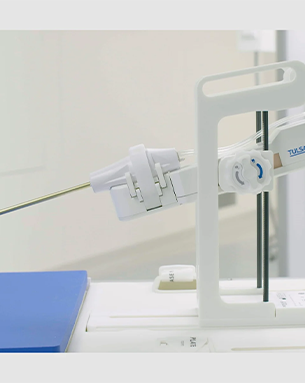
TULSA PRO is a minimally invasive procedure that uses MRI-guided, high-intensity focused ultrasound to target and ablate prostate tissue precisely. It is primarily used in treating localized prostate cancer and BPH. Its precision minimizes damage to surrounding tissues, reduces side effects like incontinence and impotence, and helps in achieving better prostate health outcomes with shorter recovery times.
Urologists and andrologists specialize in diagnosing and treating male sexual health issues such as erectile dysfunction, low testosterone, and infertility. Treatments may include lifestyle changes, medications, hormone therapy, or surgical interventions like varicocele repair. They also offer advanced diagnostic tests to assess fertility, and work collaboratively to address underlying conditions impacting sexual health and fertility.
Kidney transplantation is a surgical procedure where a healthy kidney from a donor is placed into a patient with end-stage kidney disease. The process involves evaluation and matching of donor and recipient, surgical removal of the donor kidney, and transplantation into the recipient. Post-surgery, patients require immunosuppressive therapy to prevent rejection and regular follow-up to ensure proper kidney function and overall wellbeing.
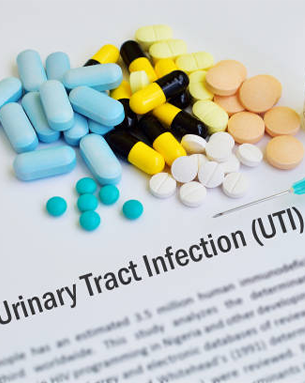
UTIs are commonly diagnosed based on symptoms, urinalysis, and urine cultures to identify the causative bacteria. Treatment often involves antibiotics, hydration, and addressing any underlying causes. In recurrent cases, a urologist might perform further tests to check for anatomical abnormalities. Preventive measures such as personal hygiene, proper hydration, and in some cases, prophylactic antibiotics may be recommended to reduce recurrence.
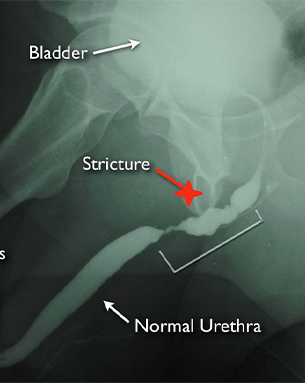
Stricture urethra is a narrowing of the urethra, often treated with minimally invasive procedures like urethral dilation or direct visual internal urethrotomy (DVIU). For severe cases, surgical reconstruction, known as urethroplasty, may be necessary. The choice of treatment depends on factors like the stricture's length and location. Regular follow-ups are important to monitor for recurrence and ensure optimal urination function.
Pediatric urology deals with urological issues in children, such as congenital anomalies, urinary tract infections, vesicoureteral reflux, and bedwetting. Treating children requires special consideration for their emotional and physical development. These conditions often need a combination of medical and surgical interventions, tailored to children’s unique anatomical and psychological needs, ensuring minimal discomfort and promoting normal development and quality of life.
Advanced techniques like laparoscopic and robotic-assisted surgeries, laser technologies, and precise imaging tools have revolutionized the diagnosis and treatment of complex urological conditions. They allow for detailed visualization, targeted treatments with minimal invasiveness, and faster recovery. These innovations improve the accuracy of cancer staging, stone removal, and reconstructive surgeries, thereby enhancing patient outcomes and quality of life while reducing risks of complications.
Preventive measures for maintaining urological health include staying hydrated, practicing good personal hygiene, regular exercise, and a balanced diet rich in fruits, vegetables, and whole grains. Regular screenings and check-ups, especially for high-risk groups, early detection of abnormalities, and prompt treatment are essential. Avoiding smoking, excessive alcohol, caffeine, and managing chronic conditions like diabetes also help in maintaining optimal urological health.
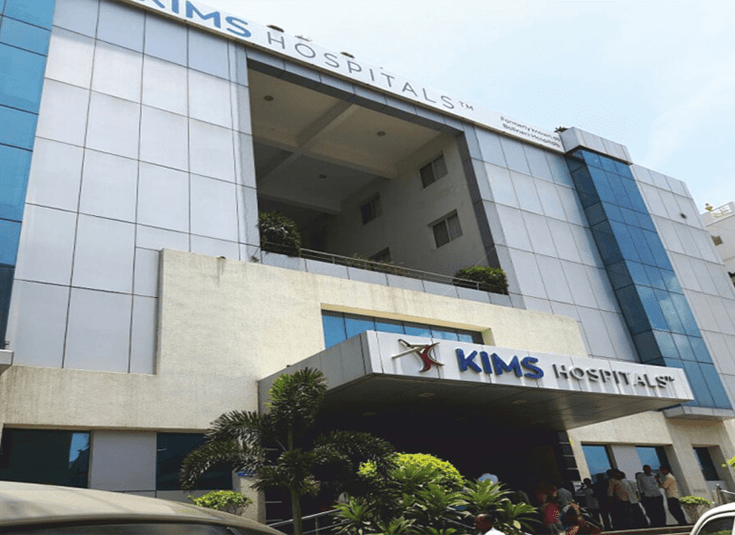
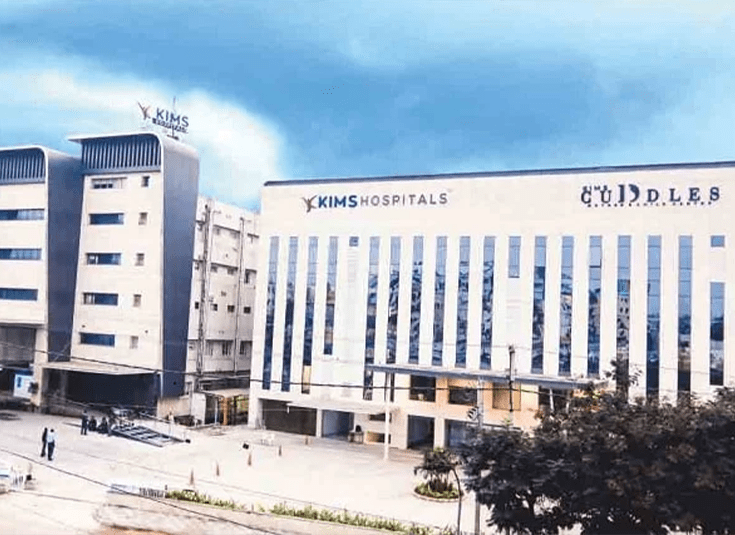
 Address :Kiims Hospital, 1-8-31/1, Minister Road Krishna Nagar Colony, Ramgopalpet, Begumpet, Secunderabad 500003, Telangana Address :Cygnet Superspeciality Clinics, 2ND FLOOR, FAIRMOUNT FORTUNE ONE, Czech Colony, Sanath Nagar, Hyderabad 500018, Telangana